Omobari Omotwe: The Highly Skilled Traditional ‘Head Surgeon’ Of The Kisii Tribe In Kenya!

The Kisii tribe of Kenya is among one of the earliest Bantu settlers in modern-day Kenya. They are the dwellers of the highlands east of Lake Victoria. Accounts concerning their points of origin before situating themselves in their present locality are of varied nature; some scholars claim they came to their present settlement from ancient Egypt whilst others claim they settled in from Uganda.

The Kisii tribesmen are predominantly farmers and craftsmen; economically viable activities that put food on their table and accord them media of exchange for those goods and services they are unable to produce and provide for themselves. Kisii tribesmen follow a tradition of fathering a lot of children, partly to aid the agro-culture on which they subsist and partly to carry on the tribe’s legacy and cultural heritage. They are a well-educated and highly skilled cohort whose endeavours are characterized by order, structure and precision; functional features of one of their most revered practitioners…

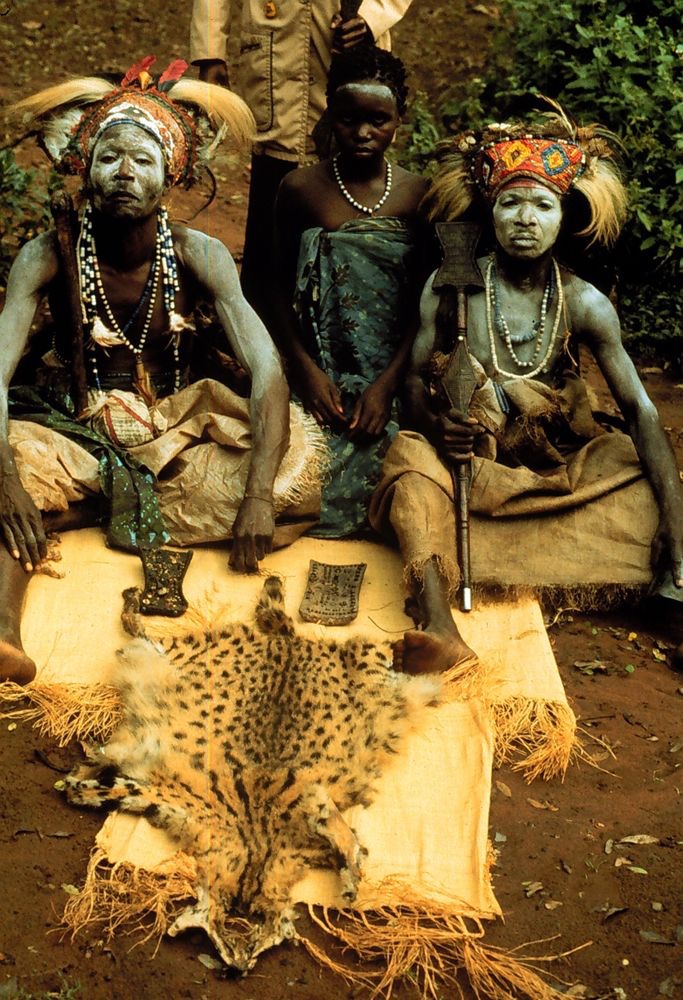
Omobari Omotwe’ is the Kisii word for a head surgeon. These highly knowledgeable men in the medical art of ‘craniotomy’ and highly skilled in those medical practices that bring to bear the practical application of their knowledge are recorded to have practised their craft with astonishing success long before ‘official’ means of documentation were made feasible.

Omobari understudies a more advanced practitioner who is usually a relative, by years of study and apprenticeship ordered along the lines of increasing difficulty given each assignment, a young Kisii can rise with dedication, determination and hard work to become Omobari over the years. And this spells out wealth, prestige and recognition for the said individual and his family.

Omobari’s craft is tailored towards the resolution of; acute cranial trauma and post-traumatic headaches. The cases brought to Omobari tend to have causes rooted in accidents and violence. Accidents can range from hitting one’s head against the low lintel of a Kisii hut to being struck in the head with a hoe on the farm unintentionally. Violent actions leading to seeking out the services of Omobari can also range from a severe blow to the head using a blunt object on the field of war and the use of head trauma inducing ‘weapons’ such as wooden clubs in severe cases of sibling rivalry or disputes among wives.

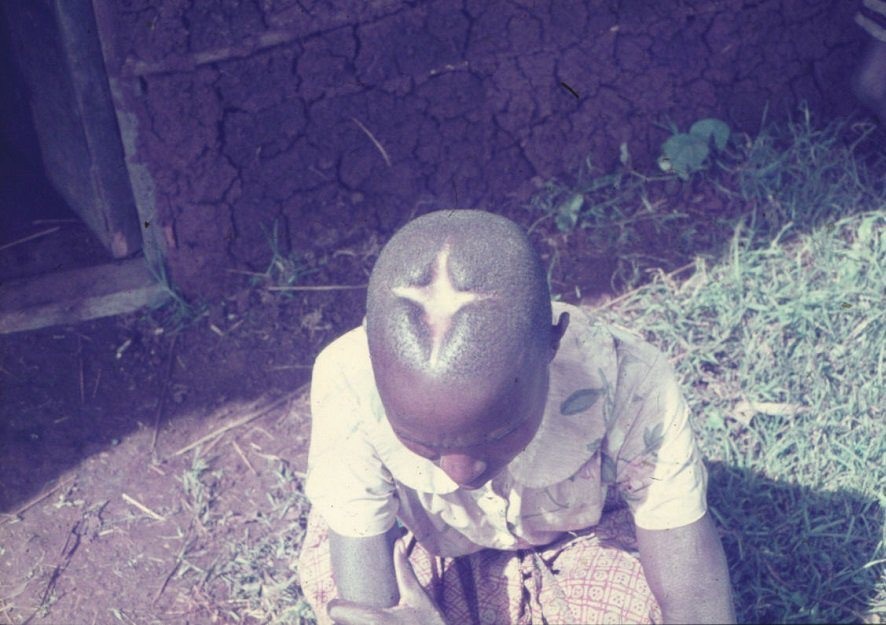
When a patient is brought before Omobari, he foremost says a prayer for guidance and then palpates the head of the patient to pinpoint the spot on the head where the incision will be made. Patients are given herbal concoctions before, during and after the operation to; minimize pain, boost immunity, sterilize the open flesh on the head and to stop bleeding and the patient from smelling the scent of blood during the procedure, because it can have a nauseating effect on the patient in question. The use of herbs thus improves the efficiency and overall effectiveness of the entire procedure.

In the case of acute cranial trauma, this is usually caused by a direct blow to the head by the use of blunt objects as mentioned earlier. The destructive effect of such deathly encounters is easily noticeable by the experienced and highly skilled Omobari who quickly but adeptly cuts his way into the skull of the affected area. This is to help remove all fractured bones and smoothen out the fractured edges to allow for the affected area to heal. All these are done with an astonishing success rate as all those modern medical practices that guarantee success in any surgical procedure are duly and methodically observed by Omobari and his apprentice(s), except within the parlance of his cultural traditional practice which is equally valid nonetheless.

Cases arising from post-traumatic headaches tend to tow the lines of examining the head critically by Omobari to help him identify which point on the head to open in order to resolve the case in question. Once Omobari is satisfied with the site located, he employs his homemade tools in digging into the area beneath the skull in his bid to drain out what has been named; ‘bad blood’. This is most probably non-circulating blood collected in an area beneath the skull that has gone bad. A critical examination of the site is also carried out to make sure there are no fractured bone fragments in the region, as these can puncture delicate blood vessels and lead to the same or more complicated medical conditions.

There is little to no known case of infection over operated areas given Omobari’s art. Furnas et al (1985) reported Omobari and his apprentice(s) as neat and orderly when engaged in their line of duty.

The craniotomy undertaken by Omobari and his team of medical specialists is very effective in the treatment of acute cranial trauma and post-traumatic headaches. Their Maasai neighbours are known to visit the Kisii Omobari for treatment on occasions. The procedure is again reported by Furnas et al (1985) to have a strong placebo effect. Thus the Omobari and his team of medical specialists do not only resolve the physiological anomaly associated with reported cases but its psychological dimension as well. 

The Afrikan in view of these must make highly conscious efforts to foremost safeguard his continent within which can be found highly advanced practices, and also learn to safeguard him/herself by whom these advanced practices are made manifest.

Reference

Furnas et al. (1985). Traditional craniotomies of the Kisii Tribe of Kenya. Annals of Plastic Surgery. Vol 15 (6).
Slave Owners Were Paid To Free Their Slaves In 1862!

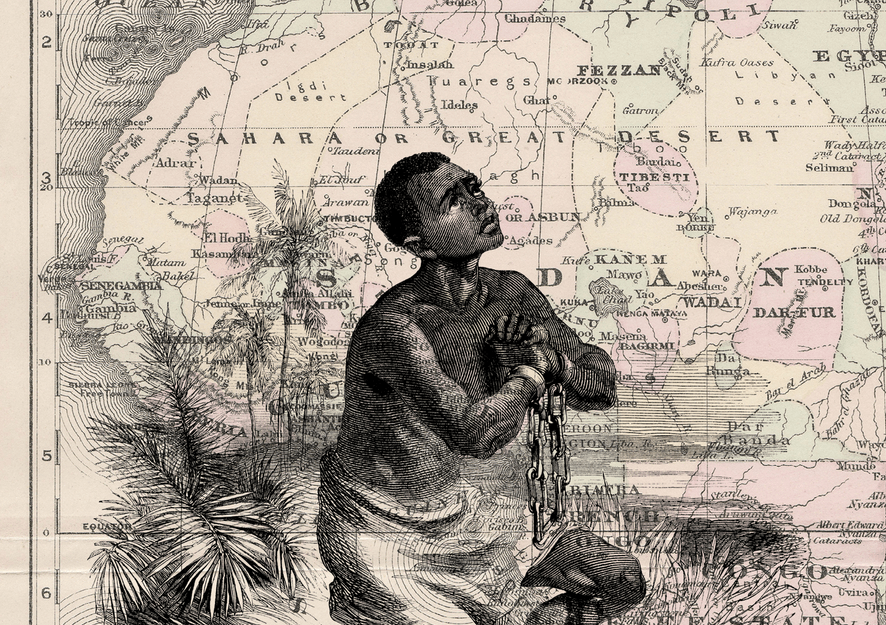
Even in their liberation, enslaved Afrikan-Americans were treated as commodities to be traded, it felt as though their dignity and worth as human beings who bear within themselves all that is required to live and reproduce life were but bonuses on their priced head.

When history reveals to us that The District of Columbia Emancipation Act passed on April 16th 1862 also encouraged the payment of up to $300 to former slave owners for each freed slave, and further allowed for the voluntary colonization of former slaves in colonies outside of the United States of America, we the ones of Afrikan descent and those direct descendants of enslaved Afrikan-Americans are moved to question the moral and political validity of the laws that are supposedly responsible for the ‘freedom’ of our distant relatives.

Are we truly free, and can man-made laws guarantee any person’s freedom? I beg not! And this is only because the conditions and prevailing circumstances that paved the way for the supposed liberation of our ancestors were of strictly political standing. In the heat of the Civil War, General C. Fremont in August 1861 declared free those African-American slaves found living in his acquired territory of Missouri; President Abraham Lincoln is recorded to have negated the declaration and fired Fremont for it. In the following year, General David Hunter also made a similar declaration for his acquired territories in the south, President Abraham Lincoln again nullified the initiative. In effect, President Abraham Lincoln resolved along with his team of rulers to deny freedom to an enslaved, tortured and exploited people.

Maybe the timing was not right for their release from the hands of bondage, but who is to decide to whom freedom is granted and when it will be granted? Finally, in 1863 The Emancipation Proclamation Act was signed, granting ‘freedom’ to enslaved Afrikan-Americans in the rebellious southern American states. It is however interesting to note that most of the ‘freed’ slaves took up arms and joined their ‘liberators’ in a war to unify America. So were they truly freed?

What is the price of freedom? For those Afrikan-Americans whose owners were paid for their release, it stands to reason that they were merely transferred by virtue of the monies given their owners to the holding of a different owner. Most probably sold by their southern masters who predicted loss for themselves at the end of the Civil War, the most profitable way out therefore was to sell off their not-too-profitable ‘merchandise’ to the winning team and leave the tables well compensated for.

Mass incarceration of Afrikan-Americans for sale to privately-owned prison facilities is still ongoing, police brutalization of innocent unarmed Afrikan-Americans for crimes they are yet to commit still thrive leaving the offenders unpunished, Afrikan-American women are more likely to be targets of rape and other forms of abuse as compared to their white counterparts and Afrikan-American women are also less likely to report cases of rape and abuse. The laws and authorities regulating Afrikan-Americans still view them as tools and merchandise of trade as they always have.

If there is compensation to be given anyone, it must be freely given the descendants of the enslaved Afrikan-American community so that reparation can see the light of day. The time is due when all persons of Afrikan descent must reclaim their sovereignty, for the end of slavery is a concept whose reality has always and will always lie in the hands of the negroe.

Mar: The Holy Honey Healing Ritual Of Ethiopia’s Honey Churches!

“Honour physicians for their services for the Lord created them; for their gifts of healing came from the Most High, and they are rewarded by the King…The Lord created medicine out of the Earth and the sensible will not despise them. Was not water made sweet by a tree so that its power might be known? And he gave skills to human beings that he may be glorified in his marvellous works. By them the physician heals and takes away pain; the pharmacist makes a mixture from them. God’s works will ever be finished, and from Him, health spreads all over the Earth.” – An excerpt from the Book of Sirach.

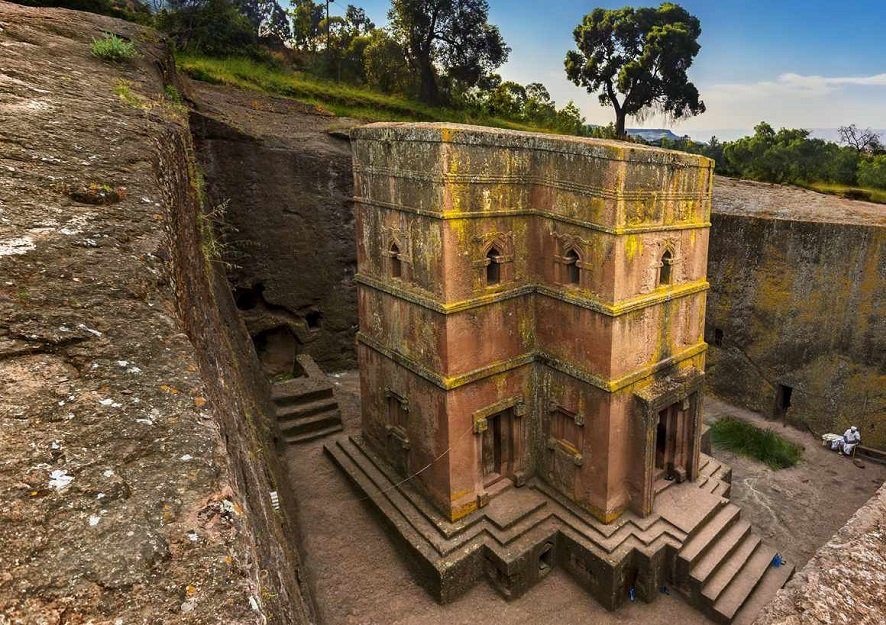
Lalibela is regarded as the Christian capital of Ethiopia because she is home to Bilbila KirqosBilbila Giorgis and Beta Ammanuel; three major ancient Ethiopian spiritual centres that are not only havens for the Holy Bees whose Holy Honey are reported to possess healing properties used for remedying physical and psychological ailment alike, but are also Lalibela’s major tourist attraction sites that draw persons from all walks of life who mainly come to experience the churches and partake in the Holy Honey ritual.

Bilbila Kirqos, Bilbila Giorgis and Beta Ammanuel are the three major spiritual churches situated some 65 kilometres north of Ethiopia’s Lalibela. The historical narrative concerning these churches is an interesting one.

Legend has it that a swarm of bees led King St. Kaleb who ruled Axum in the 6th century (514-543) to the present location of the churches afore mentioned. The bees later inhabited the churches after they were constructed. In Bilbila Kirqos for instance, it is said that the bees occupied the seven windows of the church building, however, most of them took flight leaving only one window occupied over the years. In Bilbila Giorgis, the bees took up its four windows that were representative of the four evangelists; Mattew, Mark, Luke and John. Reports say that the four windows are still homes to the bees. The bees who took up home in Beta Ammanuel deserted it completely in ensuing years.

Mar is a healing tradition within the churches of Ethiopia’s Lalibella vicinity where the Holy Honey produced by the bees are used in healing rituals for persons suffering from both physical and psychological ailments. They are usually administered by the head clergy of the church in question.

Given persons suffering from skin diseases, the Holy Honey is applied to the area on the skin where the ailment has taken root amidst prayers and chanting of hymns. The Holy Honey can also be eaten in its pure state or mixed with Holy Water to be drunk by the ‘patient’ in question.

The custodians of Lalibela’s spiritual churches reveal that the bees produce two types of honey namely; white honey and red honey. These categories of honey do not bear on their functional properties anyhow as they both share similar curative properties.

The churches’ Holy Honey store is not for sale. A folklore amongst the Ethiopians speaks of an ancient priest of the Bilbila Kirqos who took some of the Holy Honey to go sell. On his way, he was attacked by a swarm of bees and thus forced to take the Holy Honey back to the temple.

The curative and healing properties of the honey produced by the bees inhabiting Lalibela’s churches held curative properties when in 488 AD during Bilbila Giorgis’s first congregation, a swarm of bees invaded the temple and set up their home in it. The miracle happened when the bees produced their first bout of honey the next day after they have settled in. Inspired by the short length of time with which the bees produced the honey, elders of the church came together and tasted of it. In their curiosity-driven experimentation, it was discovered that the ailing amongst them received their generous measure of healing, and so begun the Holy Honey Healing Ritual of Lalibela’s spiritual centres.

Ethiopia’s long-standing Holy Honey Healing Ritual has not only brought physical and psychological liberation to Ethiopians as well as persons from all walks of life, but has also improved upon the tourist industry of Ethiopia’s Lalibela.

Why I Am Afraid Of The Rainbow: A Kalahari Bushman’s Tale!

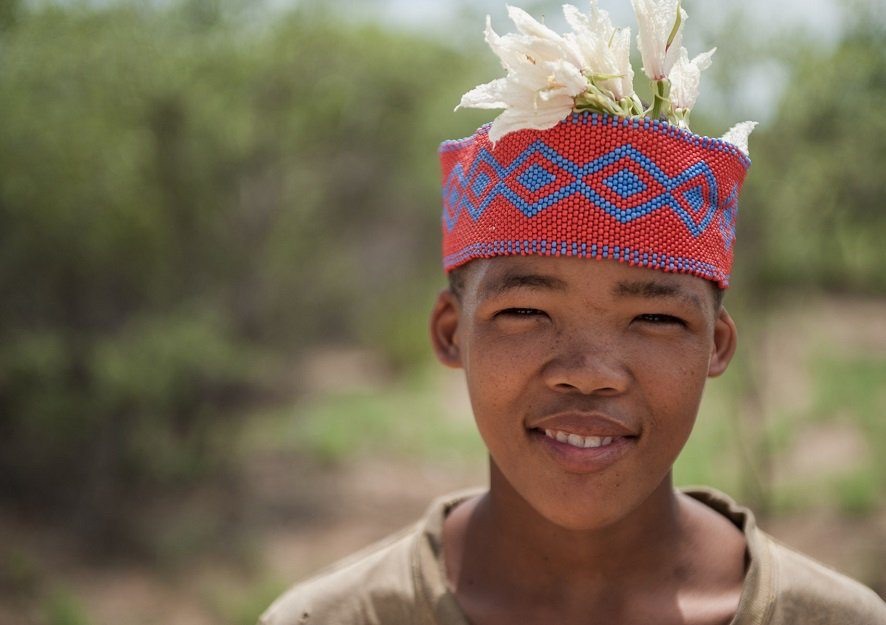
Let me tell you a story; my tribesmen belong to the cohort of people named ‘the oldest living’ group of people on Earth, we are the San, sons and daughters of the Sun named ‘bushmen’ by other men only because we chose to stay on the Kalahari; to learn of her secrets and nurture her in return, so we became the so-called; ‘Kalahari Bushmen’.

I remember grandfather telling me a few nights before he finally transitioned to join his ancestors that we have lived for about 20, 000 years on the natural plains of South Afrika, and therefore we should define our worth by the content of our experiences, ignoring all other pre-existing measures.

He also told me why we are afraid of the rainbow, it was a story of trust, mistrust, betrayal and murder…

“…Rain was once a beautiful woman who lived in the sky. She wore a rainbow around her waist and she was married to the creator of the Earth, together they had three daughters. When the eldest daughter came of age, she asked her mother if she could go down to Earth. Mother rain granted her blessing and she came down to Earth where she met and married a hunter. Whiles she was gone, Mother Rain had another child; a son named Son-eib. When Son-eib came of age, he also asked his mother if he could go down to Earth with his two remaining sisters. Mother Rain afraid of losing her precious children refused to let them go, but she reversed her decision when the trusted Wolf offered to guide her children on Earth, little did she know however that the Wolf was secretly envious of Son-eib. Upon reaching Earth, the Wolf and Mother Rain’s children were offered food and shelter by an old woman who lived on the edge of the Earth, but as they all retired to bed, the Wolf ushered Son-eib into a solitary hut standing apart from everyone else’s. And whiles everyone was asleep, he rounded up some of the wicked people of Earth and together they set fire to Son-eib’s hut, killing the poor innocent son of Rain. What the Wolf did not know however was that Son-eib had befriended a little red bird when he arrived on Earth, so on the night his hut was set to fire, the little red bird flew off into the sky to inform Mother rain of what the Wolf had done. Mother Rain got furious and came down in a storm with the rainbow around her waist to punish the Wolf and his wicked crime partners. Lightning came down with her, striking the Wolf and all his wicked partners in crime…”

This is why whenever the rainbow appears, we the ‘bushmen’ of the Kalahari seek shelter from Mother Rain’s wrath. We pray, we chant, we cry, we hit the grounds with sticks and clap for the rainbow to go away; begging Mother Rain to have mercy on us.

The folklores of my tribe’s people tend to carry a deeper meaning, and this one tells of the coming of the mother of colour who will bring justice and judgement to all people of colour.

The blood of the oppressed calls out to the forces of justice to bear witness to what the Wolves have done to her precious children. The Igbo Landing of 1803 testifies to it, The Buffalo Race Riots speak of it and the middle passage freely reveals the horrors brought down on the people of colour.

I, however, understand that the oppressed shall not remain oppressed forever, for all things are temporal and life has her many phases.

The clouds are gathering again; I better find my shelter quickly before Mother Rain comes down.

The Joy Of Nudity: Why The Karamajong People Of Uganda Love To Walk Naked!

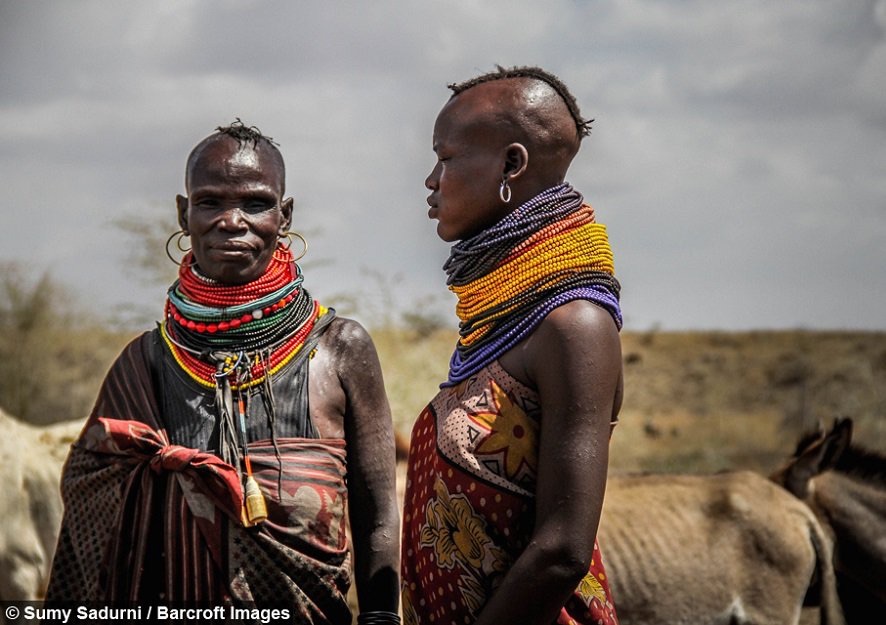
The Karamajong tribesmen are a group of agro-pastoralists (a group of people who combine farming with cattle rearing/herding) occupying North-east Uganda. Historians report that they migrated from Ethiopia to their present-day settlement in about the 1600 AD. 

As a people, the Karamajong speak ‘Karamajong’ in their bid to communicate with each other. This language forms a part of the Nilo-Saharan Afrikan language group. Their social systems and organization have a well-rounded sex balance, and this we can tell from their marriage custom which requires the man to wrestle the woman he intends to serve as his bride.

Another peculiar trait which cannot go unnoticed amongst the Karamajong tribesmen is their desire to go about their daily duties near-naked, and completely naked on occasions irrespective of age, sex or social status.

This is a community of people who will most probably be referred to as ‘primitive’ in its derogatory parlance by the Victorian-Age-socialized social critique, not taking the leisure to account for the social, cultural and environmental factors underlying the Karamojong’s ‘naked’ parole.

The human being (Homo sapiens) is the only known primate that has a nearly naked skin given the fact that all other known members of our extended animal relations have some generous amount of covering on their skin. The decline of the Ice-Age dating as far back as about 2.6 million years ago to about 11,700 years ago saw the gradual loss of hair on the skin of our Ice-Age human ancestors. In the cold, the thick hairs that covered their bodies served amongst other purposes as; insulation for the body against the cold and a formidable shield from ultra-violet Sun rays.

The decline of the ‘cold era’ however, significantly declined the hairs covering the bare skin of our prehistoric ancestors; a physical trait we the descendants of present generations now share. The cold-ridden climate of the Ice-Age was succeeded by a warmer climatic atmosphere especially in the tropically temperate regions of Afrika were our ancient Afrikan ancestors found themselves in lesser need of bodily covering given the warmth of their environment. As hunters, farmers and pastoralists; subsistence activities that required by virtue of productivity intense manual labour, our ancient Afrikan ancestors found themselves in need of the freed joy nudity brought them because it afforded them the opportunity to passively cool off their bodies whiles going about their daily survival duties.

What was wrong therefore with a group of people who had opted from the standpoint of survival, personal comfort and social progress to walk the path of decreased materialism?

A walk down the banks of the River Nile in the quaint Egyptian village of Tell-el-Amarna located 200 miles south of Cairo found one Arab woman clay-tablet archives containing wisdom from the young Egyptian Pharaoh; Akhen-Aton (1385-1353 BC) in 1887. Translation of the messages contained in the clay tablets revealed Pharaoh Akhen-Aton’s close association with the ancient Egyptian Sun-god named ‘Ra’ and his open declaration for the practice of nudity as a way of attaining spiritual and physical advancement. Pharaoh Akhen-Aton and his beautiful bride; Queen Nefertiti are thus recorded to have graced their royal palaces with their own share of ‘nakedness’ as professed by the young King.

This is just one instance of many beautiful cultures the world over who bask in the grace of their nudities. Mention can also be made of the Yanomami Tribe of Brazil whose bodily ‘clothing’ consists of natural dyes made out of flowers, leaves and berries. The Tupari Tribe also follow suit in a way of life described by Aileen Goodson in her article;‘Nudity in Ancient to Modern Cultures’ as ‘a life of unhurried simplicity’ and unhindered mobility one would say.

There is enough reason to suggest that the body-shaming, nudity-condemning fever surrounding original tribes like the Karamajong of Uganda emerged with the creation of Adam and Eve; first parents of the human race according to the Christian Bible whose writing dates as far back as 1200 BC. Chapter 3 of the Book of Genesis illustrates how Adam and Eve disobeyed their creators by eating of the forbidden fruit; a singular act of defiance that made them aware of their ‘nakedness’ which hitherto they were unaware of. After their rebellion, the Bible reports that they covered themselves with fig leaves to cover their ‘shame’.

In a world of increasing materialism and for a modern culture characterized by a mindless scramble for material ‘wealth’ of which the average majority deems ideal, it is commonplace to confine the simplicity-minded Karamajong Tribe to the corner of shame, condemnation and supposed primitiveness. Religious views concerning the preservation of the body as a sacred temple for ‘God’ are used by the less informed to wage a ‘holy war’ against the likes of the Karamajong. But in the end, it will all go down the archives of history as a misguided battle of opinions.

For a group of people already detached from mainstream capitalism, living a secluded life of utmost simplicity as is the case of the Karamajong, it is up to them to define the boundaries of their cultural habits and those ideologies that will ensure their individualized survival, as well as the future survival of their sons and daughters.

How Living In An Afrikan Mud-Hut Safeguards The Eco-System Whiles Building Wealth!

“Privilege, you see, is one of the great adversaries of imagination; it spreads a thick layer of adipose tissue over our own imagination.” – Chinua Achebe.

One of the prime reasons why the Afrikan and the Afrikan’s socio-cultural surroundings and history have been referred to as ‘primitive’; a word that is intended to signify amongst other demeaning explanations, a people who are backward and lacking in material, scientific and technological ‘progress’ is the widespread presence of Afrikan huts throughout pre-historic and modern-day Afrikan communities.

The Bantu-Kongo communities of East Afrika are a good example of such a group of individuals who harnessed the simplicity, practical functionality and wise philosophical rationale underlying the make and choice of the mud-hut as a housing unit. Most rural communities in Afrika still build their homes and communities using the mud-hut technology and it is all because of its sovereign advantage over any other architectural housing design, given the locale and certain regard for the planet Earth.

Obom is a typical rural community in the Greater Accra region of present-day Ghana, West Afrika. In this community, you will find members therein comfortably situated in mud-house structures, these individual housing units are usually arranged in a circle with the hut of the village elder or leader which tends to be bigger and more spacious than the rest placed in the midst of them all.

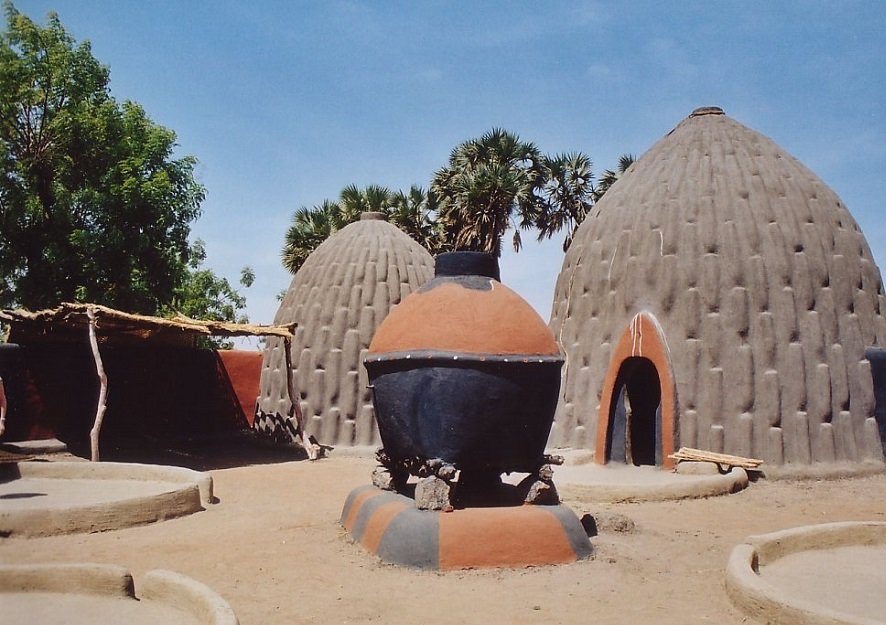
The mud-house structures widely patronized by rural Afrikan communities is cost-effective in its construction. Materials needed to bring a home-worthy Afrikan mud-hut alive are; laterite clay or any other form of durable clayey soil, quality wooden poles, water, Elephant grass, a piece of land and consenting labour.

In Obom for instance, both male and female can build the hut and given a family unit, the women who are regarded as the creatives within the nuclear family structure are entrusted with the dignified duty of building the mud-hut using clay mixed with water, and the men throw in their own share of labour by erecting the wooden poles in ways that will make the clayey walls of the mud-hut homes sturdy and strong. Men are also usually tasked with the mud-hut’s roofing. The mud-hut’s roof is made out of dried Elephant-grass secured upon a framework of wood engineered to cover the upper opening of the mud-hut. A ventilation space resembling a relatively sized hole in the roof is included within the roof design to allow for air circulation and the escape of smoke from the hearth that tends to be situated in the centre of the hut.

Whiles some Afrikan mud-huts have windows built into their circular structure, others are erected without windows of such nature as the hole created in the roofing serves such purpose. All the materials that are used in the construction of the Afrikan mud-hut housing structure are biodegradable. When an Afrikan mud-hut is demolished either to give way for the construction of a more ‘advanced’ edifice or because it has outlived its usefulness, the clayey soil simply adds to soil base upon which it once stood; plants can grow from it and insects can make their homes in it.

I once heard a friend ask a village elder; “so what happens to the mud-huts when the rains come down?” The wizened wise elder looked into our eyes and said; “Let them come.” His confidence in the ability of the mud-huts to endure various weather conditions stemmed from the simple fact that water only strengthened the mud-huts and afforded the women that singular opportunity to redesign the huts; a worthy avenue to explore the boundaries of their own store of creative imagination. After the rains, the Sun came and made sturdy, the structural stability of the mud-huts by her heated hands.

Sleeping in an Afrikan mud-hut is an experience to be relished. Since the clayey and grass materials used in constructing the mud-huts are all porous and organic, it allows for the escape of the less dense warm air and the entry of the cooler air during night time, the same cool process applies for the inner temperature of the mud-huts during the day. There is little to no use of paints and other inorganic aesthetic building materials, this improves upon the health of its occupants and they are able to draw upon uncontaminated air for their respiratory needs as they lay their heads to sleep.

Another interesting dimension to the use of mud-huts by Afrikans is its relation to the geometric circle. The circular structure of the mud-hut is representative of the spiral nature of things within our plane of existence. The circle has no beginning nor an end; it is self-encompassing, no corners and no shadows. The circle amongst ancient Afrikan ancestors is an honest and a pious figure, one that brings people and communities together rather than tear them apart. This is the reason why the Bantu-Kongo powerful social organizing philosophy and structure of Mbongi is created using lessons and wisdom from the circle, and it is also the reason why elders of the so-called ‘primitive’ Afrikan tribes used to sit in circles when deciding on issues bothering around societal development and conflict resolution alike. In a circle, everybody was regarded with dignity and respect, everybody’s view was taken into account for the circle does not have parts, it is whole and if the whole is supreme, then so is everybody and everything within the arena of its circumference.

In the final analysis, Afrikan mud-huts are environment-friendly, they wield practical as well as functional efficiency, their construction adds to the health and vitality of the Eco-system, their design, construction materials and building process help save money, build wealth and they are simply the coolest housing units that truly serve a purpose. This is the reason why the Native American Indians erect Tepees and the Eskimos of Earth’s frigid zones erect the Igloos.

A typical instance of the Eco-friendly and wealth building capacity of the Afrikan mud-hut housing structure can be experienced in the Afrocentric, prestigious One Africa Guest House and Health Resort in Elmina, Ghana, where the Queen Mother IMAHKUS will nurture you in Afrikan lore and relaxation pleasure.

Mental Health & The Problem Of Out-Casting The ‘Mad’ In Present-Day Afrikan Communities!

To be is to belong, to belong is to be.” – Iroegbu, 1995.

Nicole M. Monteiro reveals in the article; ‘Addressing Mental Illness in Africa: Global Health Challenges and Local Opportunities.’ how 44 per cent of Afrikan states lack well-established policies and their corresponding institutions for persons who may be struggling with mental health challenges. This notwithstanding, the stigma attached to the conditions of the mentally ill, especially the schizophrenics crudely named ‘mad’ has significantly contributed to the widespread street presence of those care-needing mentally ill communal members in Afrikan communities.

The communal spirit with which Afrikan communities built their social, cultural and political systems prior to the coming of the Western explorer suffered significant inefficiency with the introduction and subsequent adoption of the westernized notion of governance. So till date, we can still find Afrikan states looking up to the likes of; World Health Organization (WHO) whose MIND program seeks to add some weight to the global mental health war for the realisation of optimum mental health, so as to help remedy the prevailing mental health challenges in Afrika and her respective communities.

But, Afrikan communities can neither look up to international bodies nor depend on local Afrikan political governments to cook up regimes, policies, systems and institutions in tackling the rapidly evolving pandemic of; the increased street presence of persons struggling with schizophrenia, indefinitely. Of the help and support to be provided for by the afore-mentioned international and local entities, they are of a necessity, however, communal members within Afrikan societies whose loved ones have for reasons unique to their situation fallen victims to schizophrenia must not wait indefinitely for alien help because those remedial measures employed by our pre-colonial Afrikan Traditional Medicine-men in assisting the mental recovery of schizophrenics are retained in the oral traditions and memory storehouse of Afrikan community elders. And they must be consciously drawn upon in healing our communities.

Why have we left our loved ones to wander our streets simply because they have by virtue of certain personal and sometimes communal experiences assumed a state of mind qualitatively different from ours? Why have we neglected the vulnerable to fend for themselves in a mental condition where they are most incapable of doing just that? It is with the utmost restraint that I hereby submit that; our present stance given the mentally challenged within our communities falls short of a pinch of reasoning and a sense of compassion.

In his article‘Mental Health Care in African Traditional Medicine and Society: A Philosophical Appraisal.’, Peter Omonzejele (2004) of the University of Benin submits that; ‘In African traditional setting and to date, when there is a mentally ill in the community, he is treated with or without his consent. If the patient is violent or destructive, he is sedated by the Traditional Healer or by family members in order to commence therapy. Therapy is continued until cure is achieved. In some cases, patients may be chained, in order to prevent them from harming themselves or harming others.’

What has, therefore, happened to present-day Afrikan communities with regards to the mentally ill? It goes without saying that the duty entailed in clearing the streets of the mentally ill lies with the respective families of the mentally ill. But it is these same family members who cast them out for not wanting to be associated with the social stigma arising from living with a ‘mad’ person (whatever that means) and being judged for it. We have created stigma to only soothe our fragile egos, for the ones giving off stigma tend to place themselves above the ones receiving the stigma simply because the latter is mentally challenged and the former is not. The need to create that evil divide between ourselves and those who need our help is one that is deeply rooted in a personified inferiority, one which can duly be a mental challenge by itself. But once again, the empty social construct named ‘stigma’ is one that plays on the side of the majority and they tend to carry the vote.

When we are able to defeat the lowly conception of stigma that is staining our clarity in our bid to tackle the mental health wildfire rapidly consuming the quality of our communities and communal relations, we will inch a step closer to realizing our mentally ill communal members for who they truly are; a beautiful people who are simply not well, the reason for why they need our help the most.

Families should, therefore, consult with tribal elders and Traditional Healers to begin bringing their mentally ill relatives home from the streets, because the Afrikan Traditional Cultural parlance wields the needed environment and expertise in bringing healing to the mentally ill given the fact that local governments and international bodies have failed in their respective remedial quests thus far.

Why We Struggle With Mediocrity & Choose In-Between Choices!

The human race is now at a crossing, we are standing on the brinks of a global meltdown and we want to choose a way out. But the problem is; there is no ‘choosing’ now.

Because we used up all our choices when we decided to trade innocent souls for profit, we used up all our choices when we decided to keep mute and stay put when the evil and self-centred persons had their way, we used up all our choices when we decided to coil up in our shells of mediocrity and apathy, ignoring all those people out there who needed help we had simply because they couldn’t pay us back.

So now, all we have left is the continued acceptance of the consequences of the choices we made when we actually had the power to choose.

We are now looking forward towards the emergence of a new world; a world where knowledge is free and celebrated, a world where everybody will get what is due them and a world where the human worth and dignity will transcend race, sex, sexual orientations, socio-economic status, tribal ties, religious affiliations, ethnic similarities, creed and educational background.

But the problem is; ‘looking forward to’ is not enough, hoping and praying is not enough either. We must wake up, act up and speak up towards the emergence of this utopian world and that is why being average is not enough, and a desire to live a life of mediocrity is a character flaw.

Eric Anderson said; “the most insidious influence on the young is not violence, drugs, tobacco, drink or sexual perversion, but our pursuit for the trivial and our tolerance of third rate.”You would agree with me that when we were young; children whose imaginations were still wild, free and able, we were not afraid of making mistakes were we? We were not afraid of asking the most disturbing of questions either. I mean we could stand before our fathers who were by then one of the highest figures of authorities in our lives and ask them; “dad, why is it that you and mother shut the window, shut the doors and put out the light when you are going to sleep at night?” And we did not care for the ensuing consequences of our innocent inquiries. So then, what did ‘growing up’ do to us?

We have, to a certain extent become people who cannot ask pertinent questions, persons who cannot challenge and most importantly transform the status quo, persons who cannot speak up for themselves let alone speak up for other people and persons who are unable to take meaningfully transformative initiatives and bring to bear the full weight of our innovative minds to problematic social tasks.

This is actually something we have learnt and when I say ‘learnt’, I am talking about the psychology type of Learning; we have learnt to pair greatness with pain and we have learnt to pair greatness with societal disapproval so every second, of every minute, of every hour, of every day, finds us locked up in some shells of mediocrity. But is that our fault?

We are born into a society where keeping silent even though one may be faced with intense emotional problems is considered good behaviour. We are born into a society where taking initiatives and being innovative is mocked. We are born into a society where aspiring to greatness is punished so in effect, we are born into a society where we are expected in subtle means to make peace with mediocrity.

In view of these, most of us are living lives so carefully such that we do not make mistakes, and others are living life for themselves, by themselves and with themselves. But the truth we may be yet to come to terms with is that; our mistakes do not define us, our mistakes refine us and make us better people, stronger, more resilient and confident than we had ever been. And there is no greater life lived than a life lived in respect of other lives.

Thus, if we truly want to live our legacies deeply etched into the sands of time, leaving something behind for unborn generations, then the mediocre trend is not the way forward.

In the words of John Mensah Sarbah; “he who uses his opportunities to help raise the masses of his brethren to his own high level is following his destiny and could not be engaged in a nobler work. But when from indifference or deliberate choice an educated Afrikan becomes a tool of Europeans of a baser sort and keeps back the masses directly or indirectly in superstition and ignorance, he becomes the greatest enemy of his long-suffering and down-trodden race, and the greater his educational attainments and opportunities, the graver are his personal pursuits and guilt’s.”

Men Of Memory: The Congolese ‘Mbudye’ Elites Who Used Wooden Boards To Recount Historical Knowledge!

The Luba tribe of The Democratic Republic of Congo is one of the largest ethnic divisions in the nation. Their widespread presence in Congo took on traction around the 1500s in the geographical area constituting the Upemba Depression which still serves as their original home.

They are organized around a central Kingship authority referred to as the Mulopwe (Sacred King) whose power and authority is checked by equally powerful traditional institutions comprising their original Kingship institution. An instance of such an institution is the Mbudye elite whose duty it was to undergo rigorous training in retaining the lore, traditions, customs, conventions, rules of usage and ancestral knowledge of the Luba people in memory. They held the power through their native knowledge and in consultation with the Lukasa; a sacred bead-studded, hand-held, decorated wooden board to dictate the current affairs of the Luba kingdom. 

A special place was reserved for women in the Luba tradition; according to their tradition, the Luba people believe that only a woman’s body can hold the reincarnated spirit of a deceased King, and these ‘special’ women were entitled ‘Mwadi’, given their own share of privileges and allowed a generous degree of autonomy in going about their traditional duties.

The Luba tribesmen subsist on an agro-based culture with an elite hunting group to supplement their wildlife needs. After a bountiful harvest or at the birth of a newly born child, the Luba tribesmen offer thanksgiving to the spirit of their ancestors for providing the circumstances within which their celebrated achievement was attained.

For a dynamic group of people with an equally dynamic culture, it was a necessity for the invention of an institution that will serve as the storehouse for all their history, as well as present and future experiences whatever they may be. This tribal need gave rise to the Mbudye elite amongst the Luba religio-political organization.

The Mbudye were persons selected from birth to undergo traditional training in preparation for their future role as keepers of the tribe’s lore, history, conventions, customs, practices and cultural rhetoric. And it is noteworthy to mention that these selected persons succeeded at their role of committing the tribe’s entirety to memory.

In a modern culture that is persistently making limited use of the storage abilities and capacities of the human storage unit, the tremendous memory capacity of the Luba Mbudye is indeed a feat worth paying respect to. In their celebrated Luba-narrative-recounting events, the Mbudye tend to carry with them a device named; ‘Lukasa’.

The Lukasa comprised of a wooden board sizeable enough to contain ancient ideograms and pictograms as well as carefully arranged beads of varying sizes and colours; the wooden board was sometimes tapered at the center to allow for easy handling and together with its constituent elements were all portable enough to fit into the palm of the left hand.

When called upon to recount a Luba narrative, the Mbudye along with the gathered elite say a prayer amidst court rituals and using the tip of his right finger, traces the physical properties of the beads on the wooden board (Lukasa). The size, shape, colour, arrangement and position of the beads all contribute to the historical narrative that will be pointed at on the mental shelves of the Mbudye. So we hereby recognize the role of the Lukasa as a memory device; a mnemonic of complex make used by the Mbudye to draw on sacred Luba narratives.

When recounting Luba narrative, part of the Mbudye training requires that he does not only regurgitate what narrative a specific bead-arrangement on the Lukasa may point to, but more expertly employ the use of the specified Luba narrative in interpreting current social affairs within the kingdom to give direction and guidance as to what is to be done next. For the Mbudye is usually called upon when there is an important decision to be made. It is this creatively beautiful mix of a boundless memory coupled with their ability to merge historical knowledge with current happenings to give future directions that makes the sacred institution of the Mbudye elite one in whose experiences present generations can share, to grow a gifted youthful populace who will wield both the memory and analytical abilities required of our future growth and comfort. The school system will be a good place to begin!

Duo Fastos: Pre-Historic Egyptian Calendars That Have Shaped Our Modern Concept Of Time!

Where do we draw the line between the Past, the Present and the Future?

We stand in the Now; that functional gap between the Past and the Future and from this standpoint, we may have observed that every tick of the clock nullifies our ‘Now’ into a Past and the same ‘Now’ into a Future simultaneously. So in this space, we witness the joint creation of not only two distinct time periods, but two worlds as well by the gain of each fleeting second. Can there be an explanation for this cosmic magic? Time as we know it is non-existent. Our conception of time is but a mental construct created to aid in the orderly presentation of history to Present generations so that in the nick of time, they can predict the future; safeguarding it or themselves against it whatever the case may be.

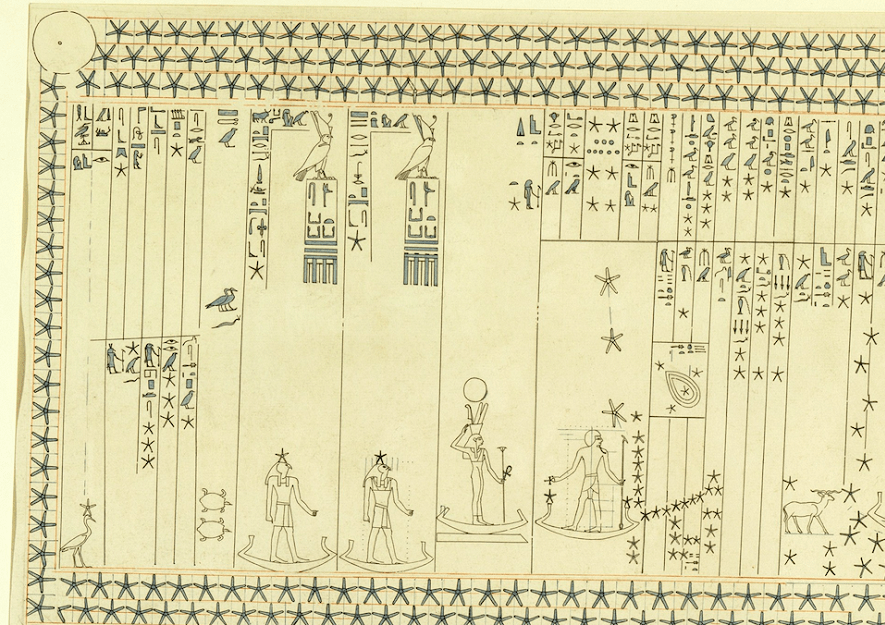
The Ancient Egyptians crafted their civilization from the area around the Nile river and as a people who were made by the Nile; given the noble fact that their entire culture was made possible by the presence of the Nile river and the generous riches her banks provided, it was necessary for their most advanced observers to study the rise and fall of the Nile, as well as the length of time elapsing between each rise and each fall. This observation of the River Nile’s activities is what led amongst other events and inventions to the creation of the ancient Egyptian calendars from which modern-day calendars derive their accuracy.

From their observance, ancient Egyptians also realized that the rise of the Nile coincided with the rise of the star named; Sirius, close to the Sun. During this period, the Egyptians took on other ‘menial’ jobs to cater for self and family as the farm fields were mostly covered by the Nile.

The Lunar calendar, as one of the calendars employed by the ancient Egyptians in ordering the courses of their events, was made up of 12 Lunar months. Each Lunar-month began on the period where the old moon crescent was no longer visible at dawn in the Eastern sky. The ancient Egyptians used this calendar in their ritualistic ceremonies.

Seeking to further organize their general day to day activities, the Solar calendar or Civil calendar was invented to serve that purpose. The invention of the Solar calendar was inspired by other than the reason aforementioned an observance of the number of days that passed between each star rising. Given the star named Sirius which was observed by the Egyptians to rise in tandem with the rise of the Nile, an estimated 360 days was observed to have passed between its solar rising bringing us an annual calendar of 360 days. It is reported that an additional 5-day balance was afforded the calendar to allow for civil and cosmic consistency so to speak.

The Solar or Civil calendar which has been dated to as far back as 3000 BC was structured as follows; 10 days made up 1 week, 3 weeks made up 1 month, 4 months made up 1 season and the 4 seasons in addition to the 5 added days made up a rounded 365 annual calendar. Each of the 3 seasons making up the ancient Egyptian calendar year signified the rise, recession and ‘emptying’ of the Nile in charting the course of their planting and harvesting seasons.

This calendar, as well as other time-telling inventions of the ancient Egyptians and other respectable civilizations pre-dating Egypt, served as formidable bases for our modern conception of time and time measurement as far as the days and seasons go. Time is a continuum secured in space, where it began and where it may end who can know? But the clock ticks nevertheless.