When Black New Yorkers Decided To Unite For Their Own: Buffalo Race Riots of 1967!

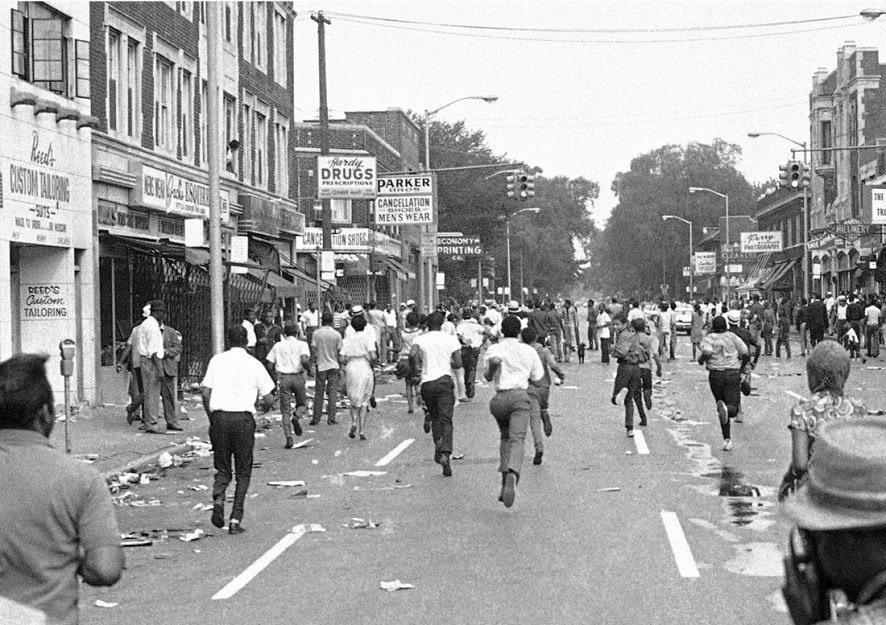
The Buffalo riot lasted till the 1st of July 1967. It resulted in over 180 arrests and an estimated $250,000 in property damage. Poor housing structure, limited job opportunities for the Black youth resulting from the post-Second World War de-industrialization process, low-quality education, inadequate social support systems, discriminatory laws and racial bigotry, all led to the explosion of that pent-up frustration the Black inhabitants of Buffalo, New York shared with the world on 27th June 1967.

It was a Monday, history reports that two Afrikan-American youth were engaged in a dispute of some sort and they were met by two white police officers as a result. The interference of the two white police officers seemed to have angered the locals of Lakeview Projects; a public housing facility in Buffalo, New York.

Moments after the white police officers meddled in the affairs of the Afrikan-American disputing youth, about 200 to 300 Afrikan-Americans thronged the scene claiming that the two white police officers used excessive force in their line of duty.

Stones, bottles, knives, clubs and any other item that would serve as a weapon by the Afrikan-American community went flying through the air in the direction of the police force that came to the scene to ease the tension and dissolve the disturbance.

The presence of the police force did nothing to ease out the swelling riot. The residents of Lakeview projects were further enraged by their presence the more. Because the second day of the riot recorded about 1500 Afrikan-Americans joining in the commotion.

This turn of events may not have been the best line of action for the Afrikan-American community in Buffalo, but as submitted by some participants of the riot; “it was the only language the authorities understood” and so they had to “speak” it.

It must, however, be made evident that; racial discrimination against the Afrikan-American community and the abject lack of job opportunities due to the post-Second World War de-industrialization process were some of the many underlying causes for the riot. And though posterity may adjudge the Black residents of Buffalo as impatient and destructive, they must also be upheld as a community of oppressed individuals who stood up for their own and for themselves.

Black King Solomon: The Moroccan King & Pirate Who Fathered Over 1000 Children!

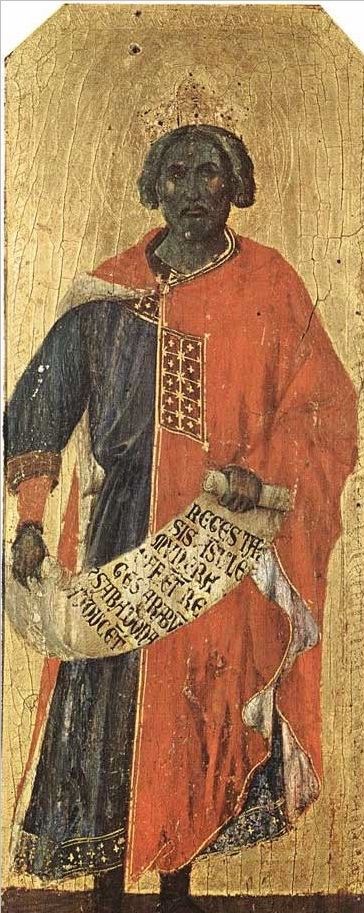
“If God has given me the Kingship, then no man can take it away.” – Sultan Moulay Ismail Ibn Sharif, the King of Morocco from 1672 to 1727.

He was born in the year 1645 at Sijilmasa according to some scholars whiles others hold that his year of birth is not conclusive. 

As the seventh son of Moulay Sharif, he was most definitely bound for the throne which he ascended in 1672 after the death of his half-brother; Moulay Rashid. He reigned as King of Morocco for about 55 years and is remembered as the longest reigning King in Moroccan history.

Moulay Ismail Ibn Sharif was a very powerful and feared ruler. His military strength over neighbouring and distant kingdoms was actively evident throughout his reign. Due to this, he added to the power, wealth and fame of the Alaouite dynasty of Morocco

The French diplomat; Dominique Busnot is recorded to have written that; King Moulay Ismail Ibn Sharif had 4 official wives and 500 concubines with 868 children as of 1703. Dominique Busnot again wrote that the King’s 700th son was born in the year 1727 which also doubles as the year he died, but by which time he had fathered well over 1000 children.

King Solomon of Biblical lore is recorded to have acquired a respectable 700 wives and 300 concubines, but as to the total number of children he fathered before the end of his days, that is not entirely clear. King Moulay Ismail Ibn Sharif has in view of this gone down the annals of history as the man with the most number of children.

The Moroccan King was also recorded to have been very strong-willed with an astonishingly enduring physical strength and stamina. Critiques and sceptics have attacked the authenticity of his status as fathering over 1000 children. Some researchers in view of this air of doubt have availed that it would take about 65 to 100 women for a man to father the number of children in question, whereas the Moroccan King is estimated to have kept over 500 concubines.

Known as the ‘blood-thirsty’ King, Moulay Ismail Ibn Sharif commanded an army of pirates also known as ‘Corsairs’. With this army, he gained power and affluence over large territories near and far. Using his pirates as an extension of himself, Moulay Ismail Ibn Sharif planted fear in his enemies and guarded himself as well as his loved ones from harm.

Moulay Ismail Ibn Sharif died in 1727 aged about 81 years. The cause of his death has been tied to a stomach ailment that took a toll on his already waning health.

Rising Unemployment Rates Amongst Afrikan Youth: Deliberate Attempts To Destabilize The Afrikan Economy?

When a wealthy continent is unable to make use of her greatest asset to revamp growth and development, then her ‘leadership’ and those institutions by which her ‘leaders’ order the affairs of her inhabitants must be called into question.

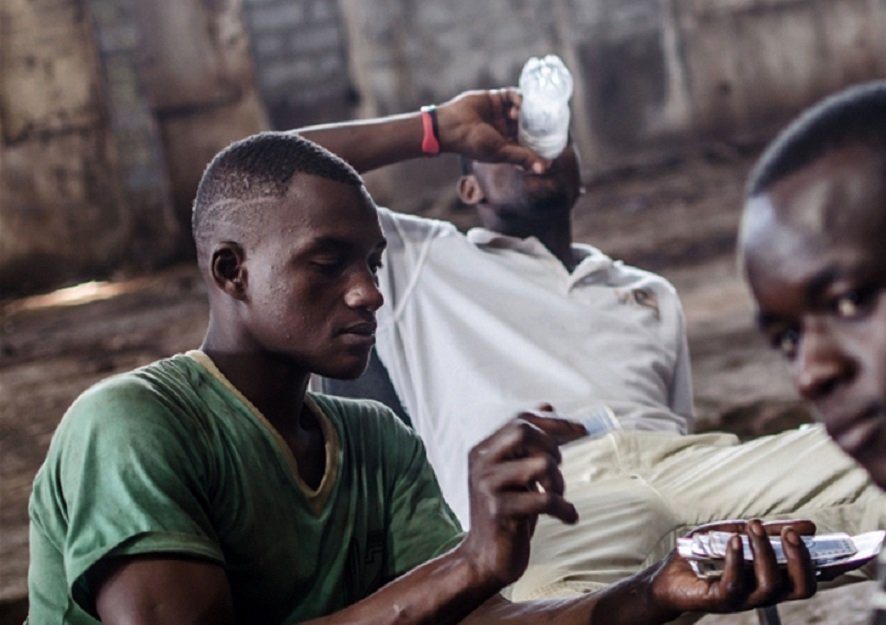
Afrika’s youthful populace (persons aged between 15-35) make up about 420 million of the Afrikan population and an increase to about 830 million is expected in the year 2050. Given the current population growth rate of Afrika’s youth; only a third are gainfully employed, another third are underemployed and the remaining third are those who have to carve out a living for themselves, sometimes selling their invaluable skill-set and talents to terrorism.

For a continent teeming with natural wealth, gifted hands and copious land mass, it is not expected that her youthful populace are rendered victims of the lowly unemployment crisis that has crippled the Afrikan economy and consequent socio-economic growth and development.

What are the factors contributing to the seeming unresolvable unemployment crisis? Which antecedents as well as current social, cultural and political factors have fed and are still feeding the growth of rising unemployment rates among the Afrikan youth?

Economic researchers have reported that the systems of education of most Afrikan countries do not imbue in the Afrikan university graduate the necessary skills required on the Afrikan job market. That is to say; the continuum natural to; centres of learning and their respective field of practice called the ‘job market’ have become two separate entities with repellant properties.

A continent’s education system must without regard to past regimes planted on the Afrikan soil by colonialists be tailored towards training her able-bodied youthful populace in those fields of study that are consistent with her natural endowments.

The continent of Afrika is a respectable source of raw resources; from minds through minerals to spices. Widespread vocational training that will equip the youth with the necessary skills to harness these resources and transform them into end products in demand by the world market is, therefore, a key issue of note that must appeal to the policy of every Afrikan head of state. The continuous adherence to the colonial system of education that is up till date churning out graduates with acquired ‘skills’ that only represents a mismatch with the Afrikan ‘job market’ as well as Afrika’s current level of development makes no sense whatsoever.

We have heard and read of how the West underdeveloped Afrika and Afrikans by the mass transportation of our most able-bodied inhabitants to the so-called ‘New World’ for the purposes of; cheap labour and rapid development during the hey-days of the Trans-Atlantic Slave Trade.

Afrika’s most productive citizenry are still being drawn out of her bosom into the wilderness we must admit. It is a trend that has been fashionably named; ‘Brain Drain’. Young Afrikan scholars find themselves migrating to the West in order to carve a survival niche for themselves using all their continent taught them, but the logic behind exiting a land of plenty to go strive for a piece in a foreign land has for long eluded the confines of rationality, or maybe it is because the peace back on the mother continent is reserved only for the ruling elite.

The colonial institutions set up and left for Afrikans are in practical effect serving their intended purposes. The youth of Afrika are Afrika’s greatest asset and if by virtue of Afrika’s ‘leadership’ and those alien institutions employed in governing Afrika’s affairs, Afrika cannot harness her greatest asset for growth and development, then the modes by which ‘leaders’ of the Afrikan continent are made and the socio-cultural institutions by which they exercise their ‘leadership’ mandate must not only be called into question, but they must also endure the trials of a very practical review; throwing out those principles and systems that cannot be modified into flowing with the Afrikan narrative of growth and progress and retaining the ones that can.

The mismatch between the educational sector and the Afrikan job market; representing the primary underlying mismatch between foreign institutions and indigenous Afrikan culture is a major fuel given the wild unemployment fire rapidly spreading throughout the Afrikan continent, burning into ashes the ambitions and future aspirations of the Afrikan youth.

This situation in question is not far removed from the larger network of problems crippling the continent of Afrika. The persons at the helm of Afrika’s socio-economic affairs have for long played stooges to the colonial institutions and body of practice handed over to their predecessors, often times forcing square pegs into round holes, and in situations where they come to the realization that such institutions and practices are not consistent with their native culture, they improvise, and their improvisations usually take many forms; some of which are bloody and backward. These dynamic bear negatively on the inhabitants of the Afrikan continent and in the case of the Afrikan youth, rising rates of unemployment is one of them.

For the interim, governing bodies in Afrika can increase trade tariffs on imported goods, this will most probably attract a backlash from the populace but will as well promote the development of indigenous local industries. The opening of local industries will call for the supply of raw materials. The demand in raw materials will encourage the able-bodied youth to venture into the agriculture sector which is a futuristic sector by the way.

Governing bodies in Afrikan states must hereby open up more vocational training schools to give the Afrikan youth the necessary knowledge and skills with which they will carry out the self-sustaining cycle of production. This will go a long way to improve exchange rates of respective Afrikan states and effectively minimize the negative impact of rising unemployment rates among the youth of Afrika.

Morocco’s Gnawa Music: This Sound Will Possess You, Then Heal You!

“This music…is a fascinating combination of poetry, music and dancing. Its secret also lies in a religious and spiritual dimension which gives it a kind of therapeutic power…” – Anass Fassi Fehri.

The power of sound has since the days of old been acknowledged for its transformative and destructive power alike. The ancient Chinese used the power of sound to heal troubled minds. Shamans of ancient Afrikan cultures were also known to have used the power of sound from music and chants to enter into trance-like states where they harnessed super-human powers.

Gnawa is a term that bears in itself three distinct meanings…

Foremost, it represents a group of people who migrated from Black West Afrika to present-day Morocco due to trade and slavery from about the 11th to the 13thcentury. The term Gnawa can thus mean in a historical context; ‘the black people’.

Secondly, Gnawa represents a religious and spiritual order followed by those who call themselves; Gnawa. It is a mystic order within the Islamic religious body that has retained its West Afrikan ancestral ties. Leaders and ardent followers of the Gnawa spiritual order believe in the existence of higher beings called ‘spirits’, and these spirits represent the souls of their ancestors who can be called upon for various reasons.

To add, Gnawa is a music genre now native to Morocco, especially the southern Moroccan city of Essaouira. It is a music that tells the Gnawa ancestral story of enslavement, migration and spirituality.

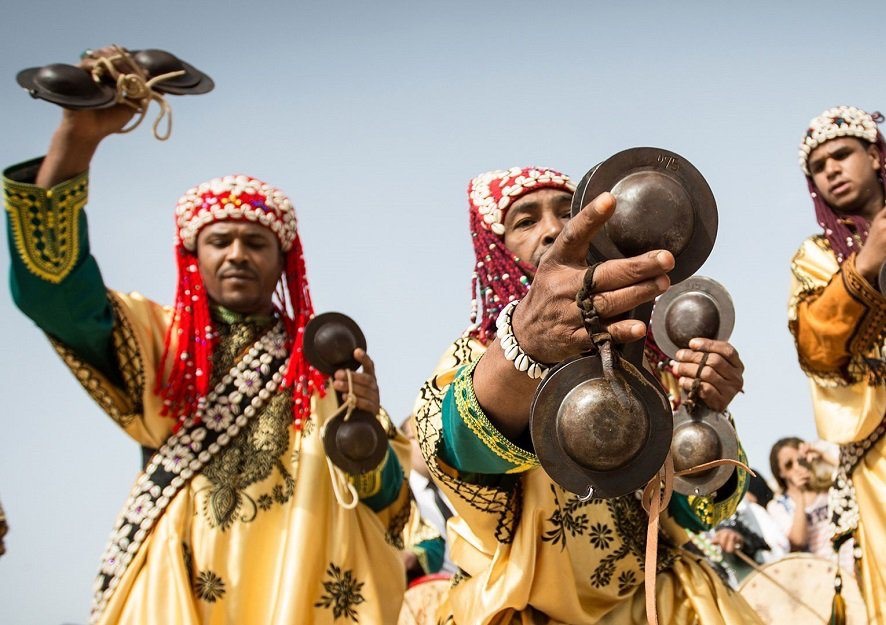
The Gnawa music genre has gained considerable popularity in Morocco and the world at large. The Gnawa Muallems (Gnawa Masters) along with their band of musicians are usually dressed in colourful costumes decorated with cowrie shells. Their musical instruments consist of three major instruments namely; the metallic castanets, the three-stringed bass lute also known traditionally as Guembri and the drum.

These instruments accompany well-ordered vocal projections and chants which tend to follow a ‘call and response’ format. The ordered vocalization and chants, the response from bandmates, the story from the music, the blend of instruments and the passion with which a traditional Gnawa band plays their spiritual and soulful music creates an energy field that has a magnetic pull to it.

Persons who have experienced a Gnawa band in action testify to the hypnotic effect of the music. The Muallems boldly assert their ability to ‘hook’ a crowd to the power of the music they produce. The beat of the drum represents the heartbeat and the accompanying instruments draw in the listener’s focus to the drum’s beat.

The Gnawa music heals persons afflicted with mental disorders and many other personal problems of emotional nature because the mysterious healing properties of the music tend to pull a troubled listener into its acoustic ambience where healing takes place.

Kongamato: The Real ‘Batmen’ of East Afrika!

The Kaonde Tribe are a Bantu-speaking people who occupy the North-Western regions of present-day Zambia. A number of these tribesmen can also be located in the Democratic Republic of Congo.

They trace their descent along the mother’s family tree and are exceptional farmers who grow corn, millet, cassava and sorghum to mention but a few.

The Kaonde tribesmen carry an amulet with them as they go about their normal duties. This amulet is named; ‘muchi wa kongamato’.

As opposed to an amulet to be used in wooing women, this amulet is carried by the Kaonde tribesmen to help them ward off a rare bat-like flying creature the locals call; ‘kongamato’.

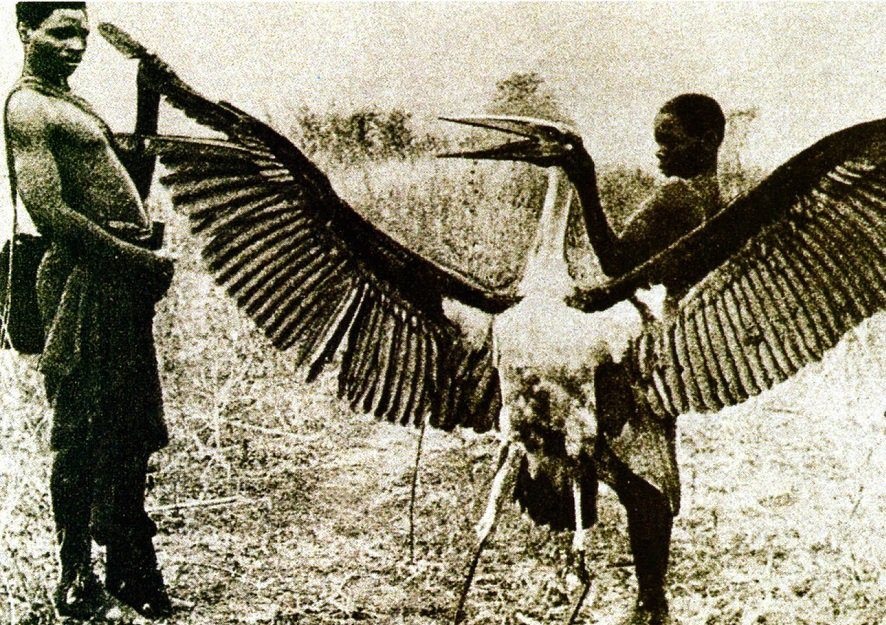
Kongamato amongst the Kaonde tribesmen roughly means; ‘over-turner of boats’. The creature is so named because the Kaonde locals who cross the swampy areas where Kongamato resides report that it causes disturbances on the surface of the water which in turn causes their boats to overturn, allowing Kongamato the opportunity to feed on the drowning Kaonde tribesmen.

The Illustrated London News in 1958 reported the writings of a science journalist named; Maurice Burton who is recorded through his writings to have acknowledged the widespread reports from Afrika of a pterodactyl-like creature.

Kongamato is described by the locals as a huge lizard with leathery wings, long-toothed beak and an overall stature of an overgrown bat that feeds on flesh. The Kaonde tribesmen also refer to the creature as a nocturnal being.

In 1923, Frank H. Melland published a book named; ‘In Witchbound Africa’. This book was inspired by his encounters with the Kaonde tribesmen and the stories they shared with him concerning their possession of the muchi wa kongamato amulet.

The narrative follows that none of the natives at the time was willing to take him to the site where Kongamato was believed to dwell.

But in his burning desire to have a visual experience of what the natives had already seen, he showed them a picture of a pterodactyl and the natives collectively agreed on its striking resemblance to Kongamato. 

Though Kongamato till date has remained the Afrikan pterodactyl because of the secretive nature surrounding its existence, we are not quick to dismiss their place among the living simply because they are not seen flying in the day or night sky. Besides, is the human race not responsible for the extinction and continuous disappearance of plant and animal species that are now named extinct?

New plant and animal breeds are being discovered every other day. Mankind has not exhaustively explored the entire length and breadth, as well as nook and cranny of the water body and land mass making up the planet called Earth, and so, many are the discoveries that are yet to be made.

The ancients have said that; to every rumor, there is a truth and to every concept with a name there is a corresponding physical reality.

References.

Childress, D. H. (1989). Lost Cities & Ancient Mysteries of Africa and Arabia. Adventures Unlimited Press. U.S.A.

Encyclopaedia Britannica. Kaonde.

Melland, F. H. (1923). In Witchbound Africa: An account of the primitive Kaonde tribe and their beliefs. Routledge.

Nandi: The Woman Who Shaka Zulu Killed For & For Whom He Was Killed!

The grief accumulating from the loss of a loved one has the tendency of shattering the joy, internal peace and balance with which we hitherto carried ourselves about. The wise ones have said that when you lose somebody dear to you, one with whom you shared camp and company, the loss takes from you its generous measure of the shared moments, beliefs and ideals that bonded the parties in question.

So in the end, the victims of loss become hollow, often times wanting of a similarly meaningful connection akin to the one they had with the deceased loved one. And in instances where one is unable to acquire such depth of relations as was characteristic of the previous one, one tends to fall into a deep, dark abyss of depression, and all those self-destructive behavioural traits resulting from it. 

Victims of such calibre gain momentary relief from their emotional entanglement when they inflict a measure of that dark and sad feeling loitering deep within on others; a misguided emotion-driven defence mechanism feeding into the popular age-old adage that says ‘misery loves company’.

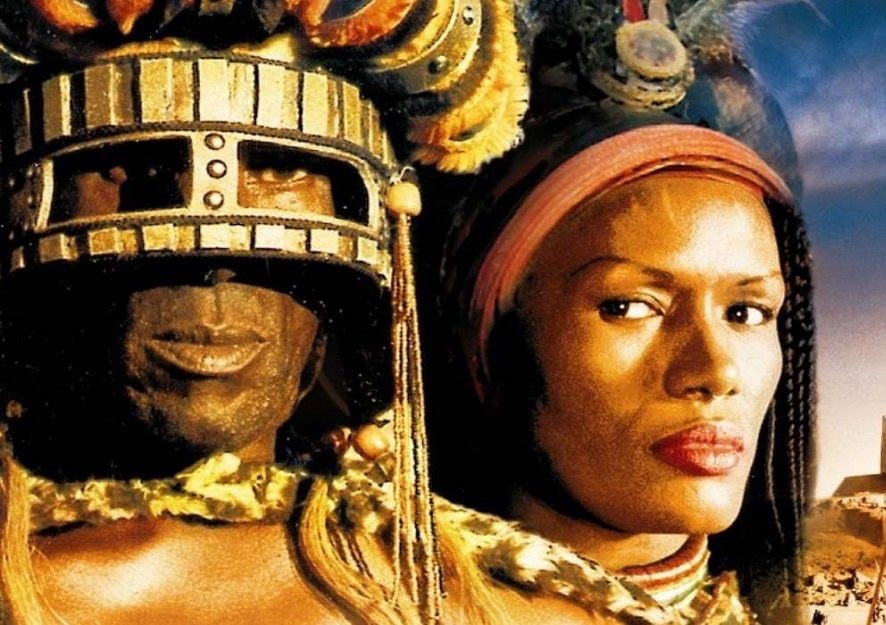
One of such individuals could have been the mighty ruler of the Zulus; Shaka kaSenzangakhona Zulu who was murdered by his two half-brothers namely Dingane and Mhlangana at KwaDukuza in 1828.

The events leading to his murder are woven of a purely social, political and historical fabric. The assassinators whose hands facilitated his death acted upon the effects of his supposed ‘madness’, but who cared to lead him out of his suffering? The statements and suppositions herein submitted are not intended to serve as justifying bases for the reported ‘horrors’ brought down on the Zulu nation by Shaka kaSenzanghakhona Zulu during those fateful times when he struggled with himself and shared his struggle with the ruled mass. But they are meant to throw some light on the underlying forces and mechanisms that could have motivated his ‘unruly’ behaviour after the loss of his mother.

Shaka kaSenzangakhona Zulu was born an illegitimate son of a sub chief. What this means in the Afrikan traditional cultural parlance is that he came by mistake, even though his birth was per his future hold over the Zulu nation warranted by the hands of time. As a child of a supposed ‘mistaken’ birth, Shaka and his ‘illegitimate’ mother (whatever that means) were treated with generous measures of disdain and envy. They were seen as ones who had come to take from the family pot of that to which they were not entitled. The blame and judgement for his ‘mistaken’ birth were not poured unto his father whose choice it was to deliberately or unintentionally plant Shaka in his mother’s womb.

Young Shaka kaSenzangakhona Zulu, therefore, lived amongst a people he referred to as ‘family’ for a considerable length of time, but in internal seclusion, occasionally coming out of his mental shell to bask in the warmth of his mother’s love. Shaka’s mother was one of the major few who recognized his place amongst the living, and accorded him what best environment she could afford under a discriminatory roof for the advancement of his curiosity and subsequent growth and development. This strengthened the bond between mother and son, and as his safe haven, Shaka resolved to protect his light of escape when the pain of rejection came pouring in from members of his ‘family’, especially his two half-brothers; Dingane and Mhlangana.

With time and as the baseless envy which had by this time matured into a fully grown hatred persisted in persecuting young Shaka and his mother, circumstances found them driven out of their ‘family’ home even after his mother was installed as the third wife of Shaka’s entitled father. Thus, given all the pain accumulated from familial rejections, young Shaka had to carry the ultimate childhood burden of pushing through the thick maze of adulting and all its confusions without a fatherly authority to fall back on. But there was his mother!

Shaka found himself a respectable place in the military unit of the Mthethwa with Dingiswayo; a formidable military strategist as its head. His place in the military can most probably be related to his quest for the assertion of the masculinity embedded in his manhood; one that was denied a well-rounded development in the absence of his father. So he killed his older brother; Sigujuana who ascended the Zulu throne upon the death of their father in 1816. A typical replay of the Freudian Oedipus Complex.

He finally assumed control over the Zulu kingdom with the help of the Mthethwa military unit after his former ally and accomplice; Dingiswayo was murdered. His deep-seated desire for power to subdue a lingering childhood helplessness was hereby well compensated for. To prove himself worthy of his newly acquired position against a backdrop of the helpless conditions surrounding his birth and upbringing, he made the military formation of the Zulu kingdom highly potent, and with it he conquered.

Nandi, Shaka kaSenzangakhona Zulu’s mother died in October 1827. His rock, warmth and light in his deepest, darkest abyss finally transitioned into the unseen land of the ancestors. This singular loss did the ‘mighty’ Shaka in. Unable to compensate for the loss of his motherly fortress by himself, he roped in the masses to share in his plight. The annals of history report that Shaka forbade the planting of crops and the use of milk. He overtasked his military units and carried out the killing of pregnant women and their fathers; eliminating traces of his disturbed birth and painful childhood.

Dingane and Mhlangana plotted and assassinated their ‘mad’ half-brother with Dingane ascending the throne. But who cared to share in his story and his love for his mother?

How The Berbers of North Afrika Used Gravity to Transport Water Under The Desert!

Desert oases have remained one of the wonders that grace the planet Earth’s surface, unique rest ‘islands’ in the midst of a sweltering desert atmosphere specially made for the weary traveller whose mission it is to create for himself his fair share of an oasis in a morally deserted world. The question surrounding the existence of oases, however, lingers on in the minds of those curious thinkers whose desire it is to know how they came about.

The Berbers of North Afrika are claimed by scholars of human history to be descendants of a Neolithic Capsian group whose spiritual faith and cultural conventions were channelled into the Islamic religion upon Arab contact. They were a group of people organized in accordance with tribal mode with a male head. Farming and pastoral labours were some of the diversified economic activities that fed their growth and development.

Given; their dependence on an agro-based culture, the rapid deforestation of their regions of habitat and the scarcity of rainfall characteristic of the North Afrikan desert areas, the First Berbers as they are known engineered a system of water storage and transportation under the desert sands to feed their villages, farms and the subsequent creation of some oases in the desert regions.

Khettara is what this ingenious irrigation system was named. Some scholars have submitted that this system of water storage and transportation using gravity and the land gradient was prevalent throughout communities outside of Afrika that also subsisted on farming in a ‘water-locked’ climate.

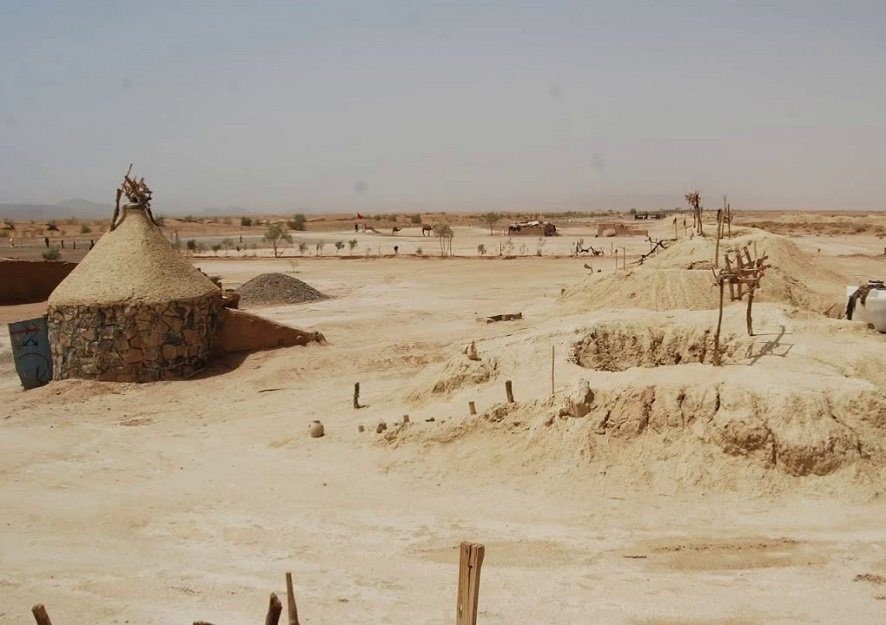
The whole mechanism of Khettara usually consisted of series of vertical shafts/tunnels dug into the desert ground to a certain degree in order to meet an underlying horizontal tunnel that can stretch to about 48 kilometres in length. The horizontal tunnels are dug close to an underground water table to allow for the collection of water from the Earth and water condensed from above. The vertical shafts/tunnels are dug to meet the underlying horizontal tunnel at about 10 meters apart from each other. These tunnels are engineered to serve the purposes of ventilation, maintenance of the underlying horizontal tunnel beneath the desert and condensation of water from the atmosphere above.

This underground water tunnel was constructed by skilled manual labour who sloped its course from a higher land gradient towards a relatively lower land gradient; that is the catchment area for the water was dug in the highland regions and the connecting tunnel carefully sloped into the village or farm which usually lay in the lowland areas. This technique enabled the First Berbers to make use of gravity in the transportation of water from an area of high water density to an area of low water density.

Fitzwilliam-Hall (2009) documented an estimated 1600 Khettaras in Morocco out of which about 350 were still in good working condition. He goes on to submit that without the engineering of Khettaras by the First Berbers, the date palm oases of southern and central Morocco may not have been in existence.

The Talking Fabric: Hidden Symbolism of The Kente Cloth!

Afrikan traditional textiles are a visual representation of history, philosophy, ethics, social conduct, religious beliefs, political thought and aesthetic principles.” – Abraham Ekow Asmah.

The narratives surrounding the origins of the Kente cloth and Kente weaving are of varying measure and degree. Kente weaving is said to be indigenous to the West Afrikan country of Ghana. Some scholars have however forwarded that its origin stems from Western Sudan as far back as the 16th century, and was introduced to the ancestral natives of present-day Ghanaians through trade contacts.

The Ashanti have laid claim to pioneering Kente weaving in Ghana, using an age-old folk story of two brothers (Nana Kuragu and Nana Ameyaw) who learnt the noble art of Kente-weaving by observing a spider spin its web on a farm they visited.

Notable among the arguments concerning Kente’s origins is that of the etymological roots of the word; Kente. Dr Kobla Dotse in his article; The Issue of the Origin and Meaning of Kente (Kete) published on the 12th of July, 2015 argues that the word Kente is a corruption of the Ewe word; Kete. A contrived combination of ‘Ke’ and ‘Te’ both of which imply the spreading of the threads to be woven by the use of the leg pedal and the binding of those same threads using the hands whilst seated in the weaving loom; coordinated actions that result in the production of the ‘Kente’ or ‘Kete’ fabric. Thus, he further argues that the original word for the ‘talking’ fabric is ‘Kete’, as opposed to the more popular ‘Kente’.

Again Dotse et al (2015) make reference to the fact that cotton, which is the base material for the production of Kente (this will be used interchangeably with Kete and they will by reference mean the same thing) was not attainable within the forest belt of the Ashanti Kingdom in the days of antiquity. Cotton was however easily accessible on the plains of the Ewe land and the northernmost parts of present-day Ghana. This singular revelation goes a long way to support their argument that; the origins of Kete and Kete weaving is indigenous to the Ewe land.

We could go forever on the ‘debate of origins’ and albeit important to this piece of knowledge literature, it is however not its primary focus. The weaving of the Kente fabric is not for the mere purposes of clothing and the creation of fashionable attires. It is not a craft invented solely to placate the ego of tribal chiefs and empire Kings. Above every other criterion considered by the inventors of Kete, its role as a medium of storage and communication of ancestral wisdom, knowledge, teachings, customs, practices, rules of usage, conventions and traditions stand undauntedly tall.

The making of the Kente fabric is a sacred process of coding and decoding of secretive age-old cultural and traditional insight.

The large Kete fabric which is what is usually seen as the end product is actually a patchwork of a number of Kete strips. The Kete weaver weaves narrow strips of the fabric and when he has finally acquired the desired number of strips, he proceeds in stitching them together to get the large finished product. The narrow strips, however, have a symbolic meaning; associated with the Mande Dyula tribe that thrived in the days of the ancient Mali Empire. These tribesmen used strips of fabric woven from quality material as a form of currency. They were the gold traders of West Afrika who linked the gold producing forest lands in the South to the North of Afrika. 

The strips of woven fabric that are sewn together to obtain the Kente cloth by themselves share with their custodians and onlookers alike this important piece of history. Currency has evolved into the media of exchange we now trade with and the Mande speaking Dyula tribe are dispersed the world over. Kente can, therefore, be referred to as the ‘money fabric’ given the fact that the narrow strips of fabric constituting the final finished Kente product were once upon a time units of exchange wielding great value. The narrow strips, more importantly, talk of the Dyula narrative; of their struggles and cultural moves to seize their fair share of the creator’s given. History is woven into fabric.

Another hidden symbolism of the Kete fabric reveals the message created by the patchwork realized from stitching together the narrow strips of fabric. The overall beauty and underlying symbolic representation of the Kete fabric begin with the narrow strips of woven fabric stitched together to obtain the larger Kete fabric. Given the unique creative intention of each weaver, the strips are designed (in terms of colouring, geometric patterns and cultural symbols) and patched in a way that will bring out the intended message of the fabric. 

For instance, each strip that will constitute the finished Kete fabric can be woven into the colours of the rainbow and when they are finally patched, we will have a Kente fabric looking like a rainbow. The colour variation in this instance, however, wields a deeper meaning; red, orange, yellow, green, blue, indigo and violet are also representatives of ascending levels of human consciousness and a search into their individualized meaning can open one up to the beauty of spiritual enlightenment. Lessons woven in fabric.

Again, cultural symbolism is infused with the making of the Kente fabric. Among the Ewes of present-day Ghana who are credited by some historians as having pioneered Kente weavingAfiadekemefao is the name given to one of their Kente fabric designs and it roughly means; ‘there is nowhere that is without problems.’ This statement is brief but weighty, for amongst other equally relevant explanations, it points to the difficulties endured by the Ewes during their migration to present-day Ghana; that is to say, they would not have settled here if their original point of settlement was without problems. 

So in effect, we are being taught to strive to make the best out of what we are given. Lolozuavi is another creative and philosophical design given the Kente fabric by the Ewes. It roughly means; ‘love has turned into hatred.’ The hands of Capitalism have moulded humans into machines, and machines are incapable of love, only everything else opposite of it. There is a mindless scramble everywhere for the attainment of basic human necessities and men, women and children alike are by the day shedding their humanity so that they can keep up with the pace. It is this observation that has served as one of the bases for the Kente design aforementioned. 

The Akans of Ghana also employ the use of Adinkra symbols; which are pictorial representations of cultural beliefs and traditional truths, in the making of their Kente fabric. They are also known to use geometrical patterns of balanced symmetry as designs in Kente production. The use of geometry takes us back to the holy discipline of ‘Sacred Geometry’ whose basic assumption forwards that; there is a geometrical pattern underlying every observable thing in existence, be it living or non-living. And it is this underlying geometry that is captured and interpreted by our senses to allow for perception. Thus each geometrical design on the Kente fabric speaks of a deeper underlying universal knowledge of our world and the mechanisms that rule it.

The Navajo Blanket of the Native Americans, the Ancient Peruvian Gown of Peru, the Javanese Batik of Ancient Sumerians and the Smock of Northern Ghana are all examples of fabric from cultures who coded and decoded their dear, timeless and forward-thinking narratives, customs and traditions into fabric making so as to preserve their originality and ensure their transmission to present and future generations.

Kwame Nkrumah’s ‘Consciencism’: A Solution To A Dying Afrikan Conscience!

The time was 7:43 pm on a Sunday evening, I was laying on my bunkbed when I felt the phone vibrate from beneath my pillow where I had kept it earlier on. It was Nii Amu my course mate from the ‘Consciencism’ philosophy class; PHIL 407. He called to inform me that Monday’s lecture had been rescheduled to 8:00 pm that same night because the lecturer was taking a flight to a conference overseas on Monday.

I was somewhat angered by the turn of events, but I swallowed my pride and pocketed my anger as I was greeted by a full class upon entry. We were about twenty students taking the course and every single student showed up partly because the lecturer had announced to us earlier on that a considerable bulk of the end-of-semester examination questions will stem from the lecture in question. Otherwise, students will always be students I guess.

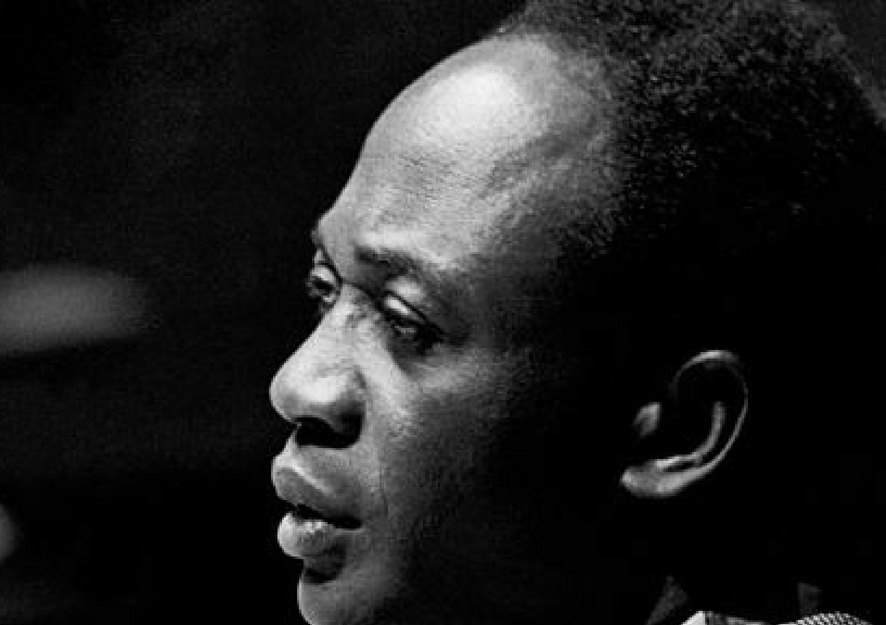
It was my final year and semester in the university and for some unexplained reasons, I was very excited about PHIL 407 because of the unique Afrocentric insights it preached, sitting in the class that night I played out Kwame Nkrumah’s assertion of collapsing the Euro-Christian and Arab-Muslim ideologies into the Afrikan-cultural ideology as an effective and efficient means of solving the problem of a rapidly decaying Afrikan consciousness and the Afrocentric awareness due to the widespread presence of alien cultural ideologies.

It made a lot of sense to me the solution Kwame Nkrumah proposed as a measure to help prevent the sons and daughters of Afrika from slipping into what he termed; ‘malignant schizophrenia’. Victims of such psycho-social standing will be those with lost identities, misplaced priorities and displaced direction. The mental world created by thinking such thoughts was one with a relaxed atmosphere, I barely felt my presence in the class that fateful night till the lecturer posed a direct question to me asking; “Nii, what identifies you as an Afrikan?”

I was startled at the mentioning of my name, but more importantly by the question that followed it. This question is a dicey one I thought to myself, but I also knew I had to say something otherwise my score on class contributions will suffer for it. As I steadied my thoughts to offer what best response my thinking had cooked up, he interrupted with a follow-up question asking; “is an Afrikan accorded that identity because of what he wears, where he lives as well as the customs and traditions he adheres to?” This was probably his way of breaking down the question to help my confusion and for which I was grateful because I could easily pick a combination of two from the examples cited in his question and present them as my response so I can score something on class contributions.

There however was this ‘eureka’ moment where I paused in thought for a bit, shifted where I sat and realized that; in mentally determining to change my response to the question posed, I had to foremost think about it before bringing it to life with words and sound. This thinking inspired me to submit that; an Afrikan is foremost identified by the depth and quality of the knowledge of his/her Afrikan cultural roots and the appreciation as well as practical application attached to such knowledge. This is what must serve the fundamental experience of the one who will be identified as an Afrikan. For all other cultural experiences and their respective ideologies will be secondary to the Afrikan’s core experience.

It was a response drawn from Kwame Nkrumah’s idea on pooling the Afrikan conscience within an Afrocentric framework; the centralized core from which all other foreign ideologies can be measured, weighed and applied where necessary to the betterment of the Afrikan socio-cultural experience. The lecturer nodded in consent and added that; “as a people of Afrikan descent, we can only go so far as our CENTRALISED belief systems will allow us.” 

With a deliberate emphasis on ‘CENTRALISED’, I felt the weight of the need to root ourselves in our cultural soil, just so we can enjoy the stability and nurturing it affords, enhancing the needed growth and experience with which we can branch out and incorporate more cultural ideologies into our own indigenous framework of thought. Without it, we will only be submitting our existence and future progress to the whims of the wind, going where it blows.

At about 9:45 pm the lecturer offered his appreciation for the impressiveness of our attendance. But I wondered who amongst us desired to intentionally fail his final paper for a philosophy class? 

Nii Amu and I walked back to our respective residents believing that our generation has already taken up this cause, and will drive it home.

Whispers & Echoes!

Come with me all ye who will to that solemn place on this Hill where my dwelling hermits, that quiet place where we can hear those timeless echoes of mercies and whispers of love from loved ones both here and ascended. The heart pulsates of their longing to bond once again in remembrance of the spark that we are, the Primordial Light of ancient lore embodied in the grace of our consciousness. Over here the clouds give way for the luminescence of the stars to tell their stories and we will hear those tales of love with our eyes for the ears must rest so we can see. Together we will usher forth our cares of love into the fold & holding of the mystic winds so they may carry them forth to the knowing of our distant loves, mine says; “I love you, and so do dearly”. For the wheels of time may have had you disembodied but on this Hill we yet commune, your presence is near and I feel along with you the yearnings of your Soul, it calls me home, and makes me whole. For the conventions of our lived & loved customs may have had you bound to a lover, yet know that I love you, and so do dearly, for if love is a river, must it not freely flow in the sacred grooves charting their fated course through this virgin forest. We are pure and undefined, boundless and infinite thus our vow rests with a life lived on this Hill of pious freedom, to make love, and share same with the ones who come bringing their own share of that Ancient Light to the summit of this Hill. If love will not be contained, then we too shall not be trapped in a space where we must force to feel what we already are, in this choosing we liberate our Souls to love and love again, make some more love to the night till the Sun comes rising over this horizon we have painted with our dedicated strokes. This be our story so the characters we choose and the parts they play our choice of same. Where they lead we have followed, and they too come along where we tread for they know of the love we harbor in our hearts for them. For those at the foot of the Hill whose choice it is to scorn the ascent let them be, for the evaporated essence of our love making will gather before the stars and when they feed them the potence of their Ancient Light, the rains will pour to wash away the thick of their veils and when they finally see the path that winds to where our play thrives on this Hill, we shall send them forth Flaming Chariots of Love to bring them to us so the company of Love may be unified to the glorification of our being and the becoming contained within it. Be free therefore I pray thee, and dare to be wild in your strive at a liberation. Come if you will to where we are seated on this Hill, there is plenty of room for us all, to play amidst the orchestra of love, for the one you love loves you back!